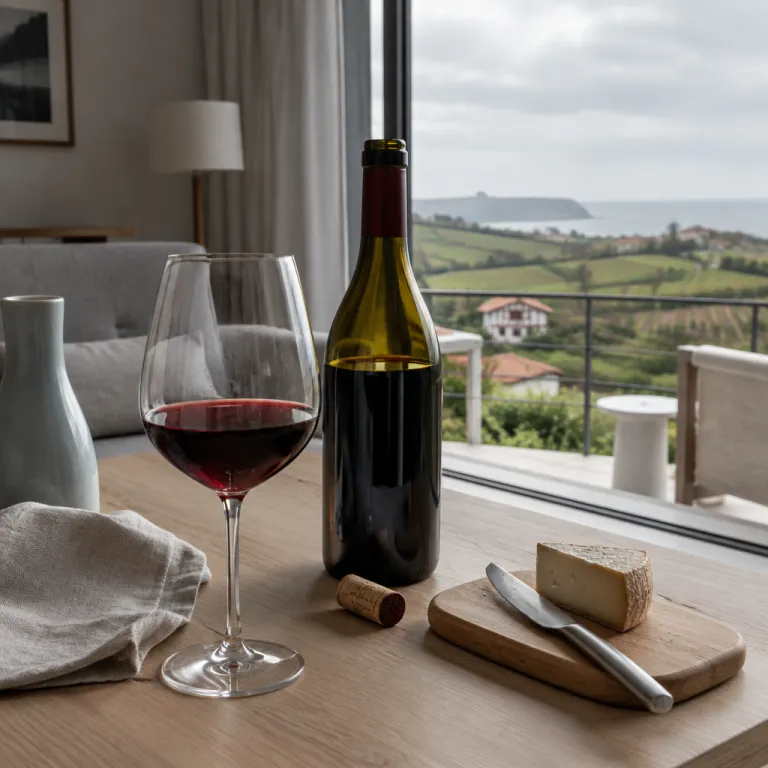
From oceanfront suite to irouleguy wine Basque tasting in the hills
Step out from your Biarritz hotel lobby and the Atlantic air already hints at Basque salt and stone. Within an hour’s drive, that same air turns warmer and more herbal as the road climbs towards the tiny Irouléguy vineyard amphitheatre in the inland Basque Country. This is where an irouleguy wine Basque tasting becomes less an excursion and more a quiet initiation into a fiercely protected terroir.
Irouléguy is one of the smallest appellations in France, a pocket of steep terraces carved into the foothills of the Pyrenees in the wider Pays Basque. Here, grape varieties such as Tannat, Cabernet Franc, Petit Manseng, Gros Manseng and Petit Courbu cling to slopes that can reach gradients more often seen in mountain trails than in vineyards. For wine lovers staying in Biarritz, these dramatic hills turn a simple day trip into one of the best ways to understand how Basque wine reflects both altitude and Atlantic influence.
The appellation produces structured red wines, characterful white wines and fresh rosés, all shaped by this rugged location in the south west of the country. An irouleguy wine Basque tasting typically reveals how white cuvées based on white grape blends of Petit Manseng, Gros Manseng and Petit Courbu balance ripe fruit with bracing acidity. The red Irouléguy wines, often led by muscular Tannat and lifted by Cabernet Franc, show why this corner of southwest France has become a quiet reference point for those seeking authentic French mountain wines.
Designing a day trip from Biarritz: road, rhythm and terroir
Leaving your Biarritz suite after breakfast, plan around a 55 to 70 kilometre drive inland depending on your chosen location in the Irouléguy area. The route threads from the Atlantic coast into the interior of the Pays Basque, passing white farmhouses with red shutters before the road tightens into the valleys near Saint Étienne de Baïgorry. Many travellers time their irouleguy wine Basque tasting to start late morning, allowing the mist to lift from the hills and reveal the full geometry of the terraced vineyards.
As you approach the village, the landscape becomes a living map of terroir where each domaine occupies its own slope, exposure and altitude. The drive from Biarritz rarely exceeds ninety minutes, yet the shift from surf town to highland Basque Country feels almost continental, especially when the first rows of white grape and red grape vines appear above stone walls. This contrast is precisely what makes combining a luxury coastal stay with an inland irouleguy wine Basque tasting so compelling for independent wine lovers.
Solo travellers and couples can easily arrange a private driver through most premium hotels, which removes the need to navigate mountain roads after multiple tastings. If you prefer to self drive, consider booking a late check in or flexible spa slot back at your Biarritz base to soften the return from the Basque hills. The rhythm that works best is simple ; one or two domaine visits, a long lunch in the valley, then a slow descent towards the ocean as the light drops over southwest France.
Cooperative cellars versus family domaines: how to taste in Irouléguy
For a first immersion, many travellers start at the main cooperative, often referred to as the Cave Irouléguy, which gathers grapes from numerous small growers across the appellation. Here, an irouleguy wine Basque tasting offers a structured overview of the region’s red, rosé and white wines, allowing you to compare styles crafted from the same terroir. The cooperative’s wine cellars typically present flights that highlight how grape varieties such as Tannat, Cabernet Franc, Petit Manseng and Gros Manseng behave across different cuvées.
Once you have this benchmark, move to one or two independent domaines to feel the nuance of individual hands and parcels. A visit to a family run property in the hills above Saint Étienne de Baïgorry might focus on a single slope of old white grape vines, while another domaine closer to the valley floor leans into powerful red Irouléguy wines built on Tannat. Some estates in this part of the Basque Country also experiment with longer lees ageing for white wine, giving their white cuvées a texture that pairs beautifully with local seafood back in Biarritz.
Names such as Domaine Brana have helped raise the profile of Basque wine from this inland pocket of France, while the cooperative continues to anchor production for many smallholders. Whether you taste at the Cave Irouléguy or at individual domaines, the common thread is a commitment to expressing the steep, stony terroir that defines Irouléguy wines. For travellers used to polished urban wine cellars, the mix of farm buildings, hillside plots and straightforward hospitality feels refreshingly aligned with the rugged landscape of south west France.
From ossau iraty to piment d’Espelette: pairing Irouléguy with Basque flavours
Back in your Biarritz hotel, the sommelier’s list often hints at Irouléguy through a handful of red and white wines that sit quietly beside more famous regions. After a day of irouleguy wine Basque tasting in the hills, those labels suddenly carry the memory of terraces, stone huts and the cool air of the valley. The smartest way to extend the experience is to pair these irouleguy wines with the flavours that shaped them in the first place.
Semi firm Ossau Iraty cheese, made from sheep’s milk in the Pays Basque, finds a natural partner in textured white wine blends of Petit Manseng, Gros Manseng and Petit Courbu. The gentle nuttiness of the cheese softens the vibrant acidity of these white cuvées, while the local character of both products underlines the link between mountain pasture and vineyard slope. For charcuterie plates built around Basque cured hams and spicy chorizo, structured red Irouléguy wines based on Tannat and Cabernet Franc bring enough tannin and freshness to cut through the fat.
Piment d’Espelette, the emblematic chilli of the region, adds a gentle heat that works beautifully with both white and red Irouléguy when used with restraint. Drizzled over grilled squid or folded into a simple omelette, it highlights the aromatic lift of Basque wine from this inland location in southwest France. Many luxury properties now curate pairing menus that move from coastal seafood to inland lamb, using Irouléguy in both white and red forms to trace a line between the Atlantic and the hills of the Basque Country.
Where to stay in Biarritz for effortless vineyard escapes
Choosing the right Biarritz base can turn an irouleguy wine Basque tasting from a logistical puzzle into an elegant extension of your stay. Properties along Grande Plage and Côte des Basques increasingly understand that their guests are as interested in Basque hillsides as in ocean views. Many concierges now maintain direct contacts with Irouléguy domaines and drivers, arranging tailored itineraries that respect both your palate and your schedule.
If you prefer a curated overview of the city’s high end options before booking, resources such as this guide to luxury stays and hidden gems in Biarritz help you align hotel style with your inland ambitions. A property with a strong French wine program will often stock several Irouléguy wines, from crisp white wines to structured red cuvées, allowing you to revisit the terroir from your suite. Look for teams that speak confidently about Basque wine and can explain the difference between coastal appellations and the inland vineyards of the Pays Basque.
For solo travellers, a hotel that can group you with other wine lovers for shared transfers to the Basque Country hills can make the experience both more social and more sustainable. Couples may prefer private cars and bespoke tastings at selected domaines, followed by a late return to a spa suite overlooking the Atlantic. In both cases, the most rewarding stays treat Irouléguy not as a side note but as a central thread in understanding this corner of south west France.
Reading the glass: what Irouléguy reveals about the Basque Country
An irouleguy wine Basque tasting is ultimately a way of reading the landscape in liquid form. The muscular frame of red Irouléguy wines, built on Tannat and supported by Cabernet Franc, speaks of steep slopes, low yields and a climate that demands resilience. In contrast, the aromatic lift and saline edge of white wines based on Petit Manseng, Gros Manseng and Petit Courbu reflect both altitude and the distant pull of the Atlantic.
Spending a day between Biarritz and the valley around Saint Étienne de Baïgorry connects these elements in a way that no hotel bar list can fully convey. You see how each domaine chooses its parcels, how white grape and red grape rows follow the contours of the hills, and how the local culture shapes decisions in the wine cellars. For many wine lovers, this is where the idea of Basque wine shifts from curiosity to conviction.
Back on the coast, a glass of Irouléguy in your Biarritz suite becomes a quiet map of the day’s journey across southwest France. The appellation’s status as one of the smallest in France only heightens its appeal, especially for travellers who value character over volume. In the end, the best luxury in this part of the Basque Country may be the ability to move effortlessly between wave and vineyard, letting each glass of Irouléguy wines tell a little more of the story.
FAQ
How far is Irouléguy from Biarritz for a day trip ?
The drive from Biarritz to the Irouléguy area typically ranges between 55 and 70 kilometres, depending on your exact departure point and chosen location in the valley. In normal conditions, this means around one to one and a half hours each way, which fits comfortably into a relaxed day of tastings. Many travellers staying in Biarritz’s luxury hotels arrange a private driver so they can enjoy both red and white wines without needing to drive back along the winding roads of the Basque Country.
What styles of wine does the Irouléguy appellation produce ?
Irouléguy produces structured red wines, characterful white wines and fresh rosés from a mix of grape varieties adapted to its steep terroir. The red Irouléguy wines are usually based on Tannat and Cabernet Franc, giving them firm tannins and good ageing potential. The white cuvées rely on Petit Manseng, Gros Manseng and Petit Courbu, creating French mountain wines that balance ripe fruit with vibrant acidity in this corner of southwest France.
Can I visit both the cooperative and individual domaines in one day ?
It is entirely feasible to combine a visit to the Cave Irouléguy cooperative with one or two independent domaines in a single day. Many travellers start at the cooperative to gain an overview of Irouléguy wines, then move to smaller estates to explore specific expressions of the terroir. From a Biarritz base, this structure creates a balanced irouleguy wine Basque tasting that remains relaxed while still offering depth for serious wine lovers.
What food pairings work best with Irouléguy wines back in Biarritz ?
In Biarritz, red Irouléguy wines pair beautifully with Basque charcuterie, grilled lamb and richer dishes that can handle their tannic structure. The white wines, built on white grape blends of Petit Manseng, Gros Manseng and Petit Courbu, work well with seafood, Ossau Iraty cheese and dishes seasoned with gentle piment d’Espelette. Many high end hotel restaurants in the Pays Basque now design menus that highlight these combinations, allowing guests to continue their inland tasting journey by the ocean.
Is Irouléguy suitable for travellers new to wine tasting ?
The compact scale of the appellation and the welcoming nature of most domaines make Irouléguy an excellent introduction for those new to wine tourism. With guidance from Biarritz concierges and cooperative staff, even beginners can understand the basics of grape varieties, terroir and cellar work in this part of south west France. For more experienced wine lovers, the mix of Basque culture, steep vineyards and distinctive Irouléguy wines offers enough complexity to reward repeat visits.
Suggested sources for further reading : Institut National de l’Origine et de la Qualité (INAO) on the Irouléguy AOC ; official tourism information from Pays Basque Tourisme ; regional wine insights from Vins du Sud Ouest de la France.