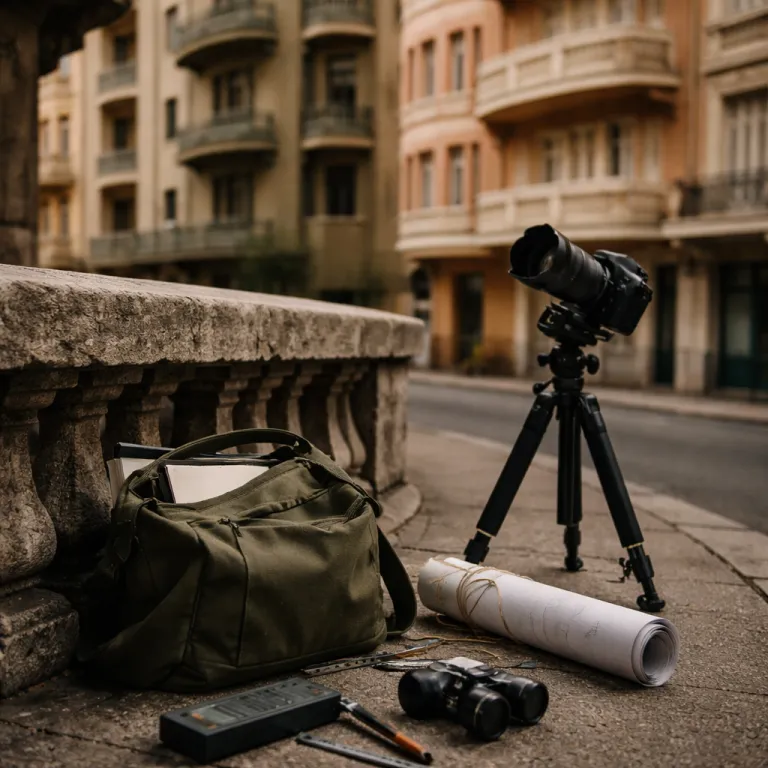
Walking the shoreline story: from Phare de Biarritz to Hôtel du Palais
Start your exploration of Art Deco Biarritz architecture at the Phare de Biarritz on Esplanade Elisabeth II (approx. 43.4894° N, 1.5593° W), where the Atlantic Ocean and the Bay of Biscay frame the skyline. From this headland the Basque coast curves south west, and the layered history of Biarritz unfolds in a sequence of villas, palaces and light filled apartment façades. This coastal walk doubles as a curated hotel and architecture collection, ideal for any independent traveller planning where to stay and what to photograph.
Follow the path down from the lighthouse towards Avenue de l’Impératrice, where Belle Époque villas sit beside later Art Deco residences. Here you see how the former fishing village became an imperial resort, with Hôtel du Palais anchoring the narrative as the summer palace of Napoléon III and the impératrice Eugénie. The hotel Palais, now often called Hôtel du Palais Biarritz and located at 1 Avenue de l’Impératrice (around 43.4844° N, 1.5583° W), remains the clearest link between the Belle Époque and the restrained deco architecture that followed.
As you approach the Grande Plage Biarritz, the town’s hotel scene becomes more visible, from heritage addresses to contemporary boutique properties. This is where architecture and hospitality merge; the façades you admire often hide Michelin minded restaurants, refined bars and suites with views over the Bay of Biscay. For a luxury booking website, mapping each hotel to its surrounding architecture helps you choose not only a room, but also the period of history and style of building you want outside your window.
On this shoreline route you also pass neo Basque villas with white walls and oxblood timber, a style that coexists with Art Deco in Biarritz. These neo Basque houses, many now private or converted into discreet hotel properties and guesthouses, echo the Basque Country hinterland while facing the surf. Their presence reminds you that Biarritz is not a generic resort, but a Basque coast town where regional identity shapes even the most luxurious place to sleep.
Avenue de l’Impératrice: reading façades between Belle Époque and Art Deco
Avenue de l’Impératrice is the open air gallery where Belle Époque and Art Deco Biarritz architecture converse. On one side you find ornate villas with turrets and balconies, built when Napoléon III turned a modest fishing village into a fashionable resort for European courts. On the other, streamlined Art Deco and early modernist blocks signal a new era of travel, when ocean liners, golf course culture and seaside promenades replaced imperial protocol.
Look closely at the Belle Époque villas near Palais Biarritz and Hôtel du Palais; you will notice curved ironwork, floral stone carving and generous bay windows. These details speak of a time when the elite arrived for long seasons, bringing trunks rather than weekend bags, and when each villa was a statement of status. Many of these properties now operate as intimate luxury hotel addresses, their history quietly referenced in lobby art, period photographs and carefully restored salons that still feel residential.
By contrast, the Art Deco buildings along this avenue favour geometry over ornament, with vertical lines, stepped roofs and light filled stairwells. Typical features include stylised railings, smooth façades and corner windows that catch the Atlantic light. For hotel guests, these deco structures often translate into rooms with generous windows, clean lines and a sense of calm that suits travellers who prioritise photography, reading and slow mornings.
Several façades here mix Art Deco and neo Basque influences, a hybrid that feels specific to the Basque Country and its Atlantic light. You might see white stucco walls, red timber framing and deco balconies stacked above, all within a single villa or apartment block. When you read online review platforms such as Google, pay attention to comments about natural light, street noise and views, because in Biarritz architecture and orientation matter as much as service for a truly great stay.
Casino Municipal and the seafront: where Art Deco meets oceanfront glamour
At the heart of Art Deco Biarritz architecture stands the Casino Municipal on Place Georges Clemenceau, a monumental presence just above the Grande Plage. Its clean lines, sculpted volumes and broad terraces embody the confidence of interwar leisure culture on the Bay of Biscay. For many travellers this casino complex is their first close encounter with Biarritz as a stage set for elegant seaside life.
The casino building, often simply called the municipal casino, is more than a gaming hall; it is a social hub with restaurants, bars and event spaces overlooking the plage. Step inside and you will find deco motifs in the lighting, balustrades and interior art, details that reward slow looking between hands of cards or pre dinner drinks. Typical opening hours for the gaming areas run from late morning until the early hours, so when choosing a nearby hotel, consider how often you want to cross this forecourt, because staying within a few hundred metres turns the casino into your extended living room.
Several premium hotel properties line the seafront around the casino, offering direct access to the Grande Plage and its promenade. Their façades range from softened Belle Époque to strict Art Deco, and some newer boutique hotels reinterpret these lines with contemporary materials. From a booking perspective, this cluster is ideal for the design minded visitor who wants both nightlife and easy dawn access to the beach for photography.
Early morning is the best time to photograph the casino municipal and its neighbours, when the light filled arcades face a relatively empty plage. Later in the day, golden hour from the opposite side of the bay gives you a great silhouette of the casino against the Atlantic. Check any Google review mentioning noise levels, concerts or festivals, because the same architecture that makes this place glamorous can also amplify sound late into the night.
Heritage tools, churches and side streets: deepening your architectural stay
To go beyond façades, use local heritage resources from the Biarritz tourist office, which map routes through Belle Époque, Art Deco and neo Basque quarters. One recommended circuit links the lighthouse, Avenue de l’Impératrice, the casino area and several churches, turning your stroll into a structured lesson in Biarritz history. This is particularly useful if you are a photography focused visitor who likes to plan angles, light and timing in advance.
Include at least one church on your route, such as Église Sainte Eugénie above the old fishing village port, on Place Sainte Eugénie (near 43.4837° N, 1.5630° W). Its position on the cliff edge, facing the Bay of Biscay, offers a different reading of Biarritz, one rooted in maritime faith rather than palace life. Around these religious buildings you often find smaller hotels and guesthouses, places where architecture is modest but the sense of the Basque coast is strong.
Side streets behind the Grande Plage, such as Rue Gambetta, Rue du Helder or Rue Mazagran, hide a collection of villas and apartment houses that rarely appear in glossy brochures. Some are pure Art Deco, with porthole windows and curved corners, while others blend neo Basque and deco details in a way that feels uniquely south west. When you browse a luxury hotel booking website, look for properties that mention proximity to these quieter streets, because they offer a more local rhythm than the main seafront.
For travellers who enjoy structured learning, the local tourism office near Place Georges Clemenceau offers themed walks and occasional talks on Art Deco and regionalism. These sessions use slides, historical documents and photographs to explain how Biarritz architecture evolved from the era of Napoléon III to the age of ocean liners. Attending one can turn a simple hotel stay into a great cultural trip, giving context to every façade you pass on the Basque coast.
Choosing your hotel through the lens of architecture and light
When you choose a luxury hotel in Biarritz, let architecture guide your shortlist as much as spa menus or room size. Staying at Hôtel du Palais places you inside the former palace of Napoléon III, with Belle Époque salons and direct access to the Grande Plage. Opting for an Art Deco era hotel near the casino municipal, by contrast, immerses you in the streamlined glamour of interwar Biarritz and its oceanfront promenades.
Light is a crucial factor on this stretch of the Basque coast, especially for photography focused travellers. Rooms facing west over the Bay of Biscay capture sunsets, while those oriented south can be more light filled throughout the day, which matters if you work remotely between swims. When reading any online review, look for comments about orientation, window size, balcony depth and floor level, because these details shape your daily experience as much as service rituals.
Architecture also influences the atmosphere of public spaces, from lobbies to restaurants and bars. Belle Époque hotels tend to have higher ceilings, ornate plasterwork and grand staircases, while Art Deco properties favour geometric lines, polished stone and a more intimate scale. If you enjoy design led stays in other cities, you might appreciate comparing this to a Parisian palace such as the Four Seasons Hotel George V, which we cover in depth in our guide to refined stays in Paris on stay-in-biarritz.com.
Finally, consider how each place connects you to the wider Basque Country, whether through views towards inland hills or easy access to a nearby golf course. Some hotels near the lighthouse quarter offer quick escapes to the countryside and coastal paths, while central addresses keep you close to the casino, the old fishing village port and key churches. Whatever you choose, aligning your hotel with the era and style of Art Deco Biarritz architecture that most fascinates you will turn a simple booking into a coherent, great trip narrative.
FAQ
Where can I see the best examples of Art Deco buildings in Biarritz ?
The clearest examples of Art Deco in Biarritz cluster around the casino municipal on the Grande Plage and along Avenue de l’Impératrice. The casino itself, several seafront hotels and a number of apartment blocks show typical geometric lines, stepped roofs and stylised ornament. Maps from the Biarritz tourist office highlight notable Art Deco structures, making it easy to plan a focused walk.
How does Belle Époque architecture differ from Art Deco in Biarritz ?
Belle Époque buildings, such as many villas near Hôtel du Palais, favour ornate ironwork, floral stone carving and complex rooflines. Art Deco structures, including the casino municipal and some seafront hotels, use cleaner geometry, strong verticals and simplified decoration. Walking from the lighthouse to the casino lets you compare these styles side by side along the Basque coast.
Is there a recommended walking route to explore Biarritz architecture ?
A popular route starts at the Phare de Biarritz, follows Avenue de l’Impératrice past Belle Époque villas and Hôtel du Palais, then continues to the casino municipal on the Grande Plage. From there you can loop back through the town centre, passing churches and side streets with neo Basque and Art Deco houses. This circuit offers a compact overview of Biarritz history, from fishing village origins to imperial palace and modern resort.
What is the best time of day to photograph Biarritz’s Art Deco buildings ?
Early morning works well for façades along the Grande Plage, when the light is soft and the promenade is quiet. Late afternoon and golden hour are ideal for shooting the casino municipal and seafront hotels from the opposite side of the bay. For interior shots in light filled lobbies or stairwells, mid morning usually provides balanced natural light without harsh contrast.
Are there guided experiences to learn more about Biarritz architecture ?
The local tourism office offers themed walks and occasional lectures focusing on Art Deco and regionalism. These events use visual presentations and historical documents to explain how Biarritz evolved from a resort of Napoléon III to a modern Atlantic destination. Checking schedules before your trip allows you to align your hotel booking with any talks or tours that interest you.