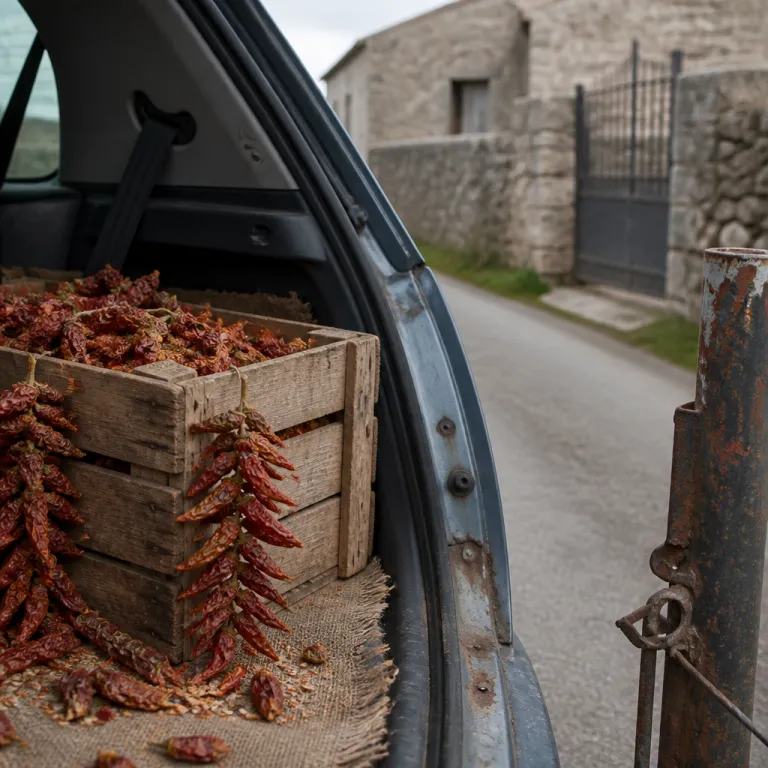
The Piment d’Espelette Route: why this half-day drive belongs in every Biarritz stay
From a luxury hotel in Biarritz, the piment d’Espelette route feels close yet wonderfully different. The drive into the Basque hinterland takes around 30 minutes, but it shifts you from Atlantic spray to rolling green hills where red peppers dry against whitewashed walls. This half-day Espelette pepper village Biarritz excursion will add depth to a coastal stay, especially for travelers who care about food, place and the stories behind both.
The road out of Biarritz slides past residential quartiers, then climbs gently into the Basque Country where every village church tower seems to guard a valley. You leave the surf breaks behind, trading board shapers for local farmers who cultivate the famous Espelette peppers that define so much of French Basque cooking. This is still France, but the red, green and white flags, the Euskara street names and the rhythm of life in the villages make it clear you have entered another cultural world.
For solo travelers staying in premium hotels, this route is ideal because it is compact, safe and easy to navigate with GPS or a simple map. The official distance from Biarritz to the village of Espelette is about 25 km, and the drive time is short enough that you can leave after a late breakfast and be back before an apéritif at your hotel bar. A curated Espelette pepper village Biarritz excursion will also help you understand why local restaurant menus in Biarritz lean so heavily on Basque ingredients, from Ossau Iraty cheese to the gentle heat of piment d’Espelette.
Planning your Espelette pepper village Biarritz excursion from a luxury base
Most luxury travelers will start this Espelette pepper village Biarritz excursion from a seafront palace or refined address near the Grande Plage. If you are still choosing where to stay, look at properties that balance coastal glamour with easy access to the road out towards the Basque Country hills. Our guide to elegant Basque Country hotels for a refined stay in Biarritz and beyond highlights options where concierges know these villages personally and can secure tastings with top producers.
Self drive is the most flexible method, and premium rental cars are easy to arrange through your hotel concierge, who will often print a bespoke map of the Espelette pepper route. Guided tours are also available, pairing you with tour guides who know which village farm is hanging the most photogenic red peppers that week and which restaurant terrace has the quietest tables. Whether you choose a private driver or a rental, the route remains the same ; the difference lies in how much commentary and backstage access you want during your walking tour stops.
Leave Biarritz after breakfast to avoid traffic near Bayonne and the road towards Bordeaux, then angle south east into the Basque Country. The first villages you pass are less famous than Espelette, but they set the tone with white and red façades and traditional Basque houses that feel a world away from the Art Deco hotels on the coast. Pack comfortable shoes, because every stop on this Espelette pepper village Biarritz excursion will involve a short walk that will take you through cobbled streets, church squares and lanes lined with Espelette products.
The approach to Espelette: scenic stops and first taste of pepper country
As you leave Biarritz, the landscape softens into patchwork fields, with the Pyrenees foothills rising gently in the distance. This is the French Basque region at its most cinematic, where every village seems to have a pelota fronton and every hillside carries sheep whose milk becomes Ossau Iraty. A well planned Espelette pepper village Biarritz excursion will use this approach to slow your pace, with one or two short stops before you reach the main village of Espelette.
One classic detour leads towards Saint Pée sur Nivelle, often written Saint Pée sur Nivelle or simply Saint Pée, a lakeside village that offers a calm pause before the pepper intensity. Here, a short walk will take you from the church to the water, where locals swim in summer and the air smells of grass rather than piment d’Espelette. From Saint Pée sur Nivelle, the road curves towards Espelette, and you begin to see the first strings of red peppers drying on farmhouse walls, a sign that you are entering serious pepper country.
Check your hotel’s advice on timing, because arriving in the village of Espelette before midday gives you space to park and wander. If you are staying in a recently renovated property, such as those featured in our overview of renovated Biarritz hotel rooms and new suites, staff will often suggest exact cafés or épiceries to target. This is where the expertise of a good concierge shows ; they know which Espelette products are worth carrying home and which restaurant tables will still feel relaxed when the tour buses arrive.
Inside Espelette: karrika Nagusia, producers and the art of piment d’Espelette
The heart of the village of Espelette is Karrika Nagusia, the main street whose Basque name underlines how deeply the culture runs here. This is where your walking tour really begins, with white houses trimmed in red and green, balconies draped in Espelette peppers and shop windows filled with tins, jars and sausages. A slow walk will let you absorb how the village has built a refined economy around a single pepper without losing its traditional Basque character.
Look for signs pointing to Atelier Piment, one of several ateliers where local farmers and artisans explain how piment d’Espelette moved from a kitchen staple to an AOC protected product. Official figures show that annual piment d’Espelette production reaches around 200 tons, a scale that still feels human when you meet growers who work small parcels of land in the Basque Country hills. Many of these ateliers offer tastings of Espelette products, from simple dried espelette pepper flakes to chocolate, honey and even Ossau Iraty rubbed with espelette peppers for a gentle heat.
Shops along Karrika Nagusia often carry Jean Luz canned fish from Saint Jean de Luz, another Basque coastal town, seasoned with piment d’Espelette and other French Basque flavors. You will also see shelves of red peppers hanging beside more subtle espelette pepper powders, each labelled with the AOC mark that guarantees origin in this specific region of France. Take time to ask about the difference between whole red peppers, ground pepper and fresh green peppers ; the explanations will deepen your understanding of how a single ingredient shapes so many restaurant menus from Biarritz to Bordeaux.
Tasting Espelette: lunch, farm visits and walking tours into the hills
By late morning, the aromas from village kitchens make it clear that this Espelette pepper village Biarritz excursion is as much about eating as it is about scenery. Traditional Basque restaurants line the main square and side streets, serving dishes where piment d’Espelette replaces black pepper to give a warm, fragrant heat. A typical lunch might pair grilled trout from the Nivelle river with a beurre blanc scented with espelette pepper, followed by lamb from the surrounding hills and a slice of Ossau Iraty with black cherry jam from nearby Itxassou.
Ask your hotel concierge to reserve a table at a farmhouse restaurant just outside the village of Espelette, where you can eat on a terrace overlooking the Basque Country hills. These addresses often work directly with local farmers, serving charcuterie dusted with espelette peppers, slow cooked veal and seasonal vegetables roasted with red peppers and olive oil. The atmosphere is relaxed but precise, with service that understands both Parisian weekenders and international guests who have driven from Biarritz for a deeper taste of French Basque life.
After lunch, many visitors join a short guided walking tour to a nearby farm, where local farmers explain cultivation methods and drying techniques. One of the most common questions they answer is very simple : “What is Piment d'Espelette?” and the response is equally clear ; “A mild chili pepper from Espelette, France.” Another frequent query is logistical ; “How long is the drive from Biarritz to Espelette?” with the reassuring answer that it is “Approximately 30 minutes.” Guides also address planning concerns such as “Are there guided tours available?” confirming that “Yes, several operators offer guided tours.”
The ring route: Espelette, Ainhoa, Sare and back to Biarritz
Rather than driving straight back to Biarritz, turn your Espelette pepper village Biarritz excursion into a ring route that reveals more of the Basque Country interior. From the village of Espelette, head towards Ainhoa, officially listed among the plus beaux villages de France and a perfect place for another short walk. Here, a single main street lined with traditional Basque houses, a church and a shaded cemetery offers a quieter counterpoint to the bustle of Karrika Nagusia.
Continue towards Sare, a village known for its access to the Rhune mountain railway and for walking trails that climb gently into the hills. Solo travelers will appreciate how easy it is to park, stroll for twenty minutes, then settle at a café terrace with a view of the surrounding country. The red and white façades, the omnipresent Basque flags and the menus featuring piment d’Espelette and Ossau Iraty remind you that this is still the same French Basque region, just seen from a different angle.
From Sare, the road loops back towards Saint Jean de Luz or directly to Biarritz, depending on how much time you have left before dinner at your hotel restaurant. If you choose the Saint Jean de Luz option, you can stop briefly in the port to see where Jean Luz sources its fish before canning it with espelette pepper and other spices. Either way, the ring route ensures that your half day in pepper country feels rich and varied, not just a single village visit but a sequence of villages that each add a layer to your understanding of the Basque Country.
Bringing pepper country back to your Biarritz hotel stay
Back in Biarritz, the Espelette pepper village Biarritz excursion continues to shape your stay every time you read a menu or order room service. You will notice how chefs use piment d’Espelette in place of black pepper on grilled fish, in sauces for veal and even in desserts where a hint of heat lifts dark chocolate. That small jar of espelette pepper on your hotel desk suddenly carries the weight of landscapes, villages and conversations from earlier in the day.
For many travelers, the next morning begins at Les Halles market, where stalls overflow with Basque charcuterie, cheeses and Espelette products from the very producers you may have met. Our guide to market mornings at Les Halles and what to eat standing up pairs perfectly with this excursion, helping you translate yesterday’s tastings into smart purchases. Look for stands selling Ossau Iraty, tins from Jean Luz and strings of red peppers that echo the façades of the village of Espelette.
As you plan the rest of your time in the French Basque region, the contrast between coast and country will feel sharper and more meaningful. You have walked Karrika Nagusia, seen Atelier Piment at work and driven through villages like Saint Pée sur Nivelle and Sare, so the Basque identity behind the surf scene in Biarritz becomes clearer. That is the real luxury of this half day in pepper country ; it turns a beautiful seaside break into a richer journey through a culture where a single pepper links farmers, chefs and hotel guests from Biarritz to Bordeaux.
Key figures from the Piment d’Espelette route
- Annual piment d’Espelette production is around 200 tons according to local agricultural reports, a scale that keeps cultivation rooted in small farms rather than industrial fields.
- The distance from Biarritz to the village of Espelette is approximately 25 km, which translates into a drive of about 30 minutes through the Basque foothills.
- The population of Espelette is close to 2,000 residents, meaning visitors can explore the village on foot in less than an hour while still finding quiet side streets.
- The official AOC status for piment d’Espelette was the first such designation for a spice in France, underlining how central this pepper is to French Basque gastronomy.
- The pepper harvest typically runs from late August to November, but dried red peppers hang on village façades throughout the year, giving the streets their iconic appearance.
FAQ about the Espelette pepper village Biarritz excursion
How long should I plan for an Espelette pepper village Biarritz excursion ?
A well paced Espelette pepper village Biarritz excursion takes about half a day. Plan roughly 30 minutes each way for the drive between Biarritz and the village of Espelette, then allow three to four hours for walking tours, tastings and lunch. This timing leaves you back at your hotel in Biarritz by late afternoon, with space to enjoy the spa or an early dinner.
Is it better to self drive or book a guided tour into pepper country ?
Self drive offers maximum flexibility, especially for solo travelers who like to improvise stops in villages such as Saint Pée sur Nivelle, Ainhoa and Sare. Guided tours, however, provide structured access to producers, with tour guides who can arrange visits to ateliers like Atelier Piment and explain the nuances of piment d’Espelette. If you value context and curated tastings over independence, a guided option will usually feel more rewarding.
What should I wear and bring for a half day in the Basque Country hills ?
Wear comfortable shoes suitable for cobbled streets and short countryside paths, as every village visit includes some walking. Bring a light jacket, as weather in the Basque Country can shift quickly between coast and hills, and carry a camera for the façades draped in red peppers. Many travelers also bring a small tote or backpack to carry Espelette products such as jars of espelette pepper, tins from Jean Luz and wedges of Ossau Iraty.
When is the best time of year to visit the village of Espelette ?
The village of Espelette is attractive year round, with dried red peppers hanging on façades in every season. Late summer to autumn aligns with the pepper harvest, so you will see more activity in the fields and around farmhouses, while the Fête du Piment at the end of October draws large crowds. Outside peak festival days, weekdays offer a calmer experience, ideal for a relaxed Espelette pepper village Biarritz excursion.
Can I combine Espelette with other Basque villages in a single loop ?
Yes, the classic ring route links Espelette with Ainhoa and Sare before returning to Biarritz, creating a compact circuit through the French Basque interior. This loop lets you experience several villages, each with its own character, from the main street of Karrika Nagusia in Espelette to the quiet lanes of Ainhoa. With an early start from your hotel, you can comfortably complete the circuit, enjoy lunch and still be back on the coast by late afternoon.
References : Institut National de l’Origine et de la Qualité (INAO) ; Office de Tourisme Pays Basque ; Chambre d’Agriculture des Pyrénées-Atlantiques.