Basque traditions in Biarritz for luxury‑minded families
Basque traditions in Biarritz give this Atlantic city its quiet intensity. In a single stroll you move from a Belle Époque villa to a fronton where pelote echoes against stone, and the Basque language on street signs reminds you that this is not just another French resort in France. For families choosing a luxury hotel, understanding how local customs and rituals shape daily life turns a simple beach break into a richer stay.
The city of Biarritz sits in Nouvelle-Aquitaine, on the Basque coast close to the Spanish border, where the Bay of Biscay meets the open sea. Here the Basque Country identity is as visible as the parasols on Grande Plage, from the red and green colour of flags to the txapela berets worn at fêtes in nearby Bayonne. When you book a premium hotel in Biarritz, you are also booking front row seats to a living regional culture that has evolved over more than a century.
Families often arrive for the beach and surfing, then realise that Basque heritage in Biarritz is what their children remember most. A morning at Grande Plage or Côte des Basques can be followed by an afternoon pelote match in the city centre, or a visit to local espadrille makers whose craft links Biarritz to the wider Pays Basque. In this part of France Biarritz is not a copy of any other European resort; it is a French Basque enclave where culture, sport and food still follow their own rhythm.
Pelote basque at the heart of biarritz basque life
Pelote basque is one of the clearest expressions of Basque traditions in Biarritz, and it plays out daily on the frontons scattered across the city. The main fronton in central Biarritz, Fronton Municipal Place Biltzar, hosts pelote players who compete in this traditional Basque sport, and families can simply wander up from their hotel after the beach to watch. For many visitors this is the moment when the Basque Country stops being an abstract idea and becomes a living culture played at high speed against a wall.
The game itself is simple to grasp yet mesmerising to watch, especially for children. A hard ball is hurled at the wall with a bare hand, a bat or the curved chistera, and the rally continues until one side fails to return it within the marked lines. Local sports clubs such as Biarritz Athletic Club organise tournaments year round, and “What is pelote basque?” is quickly answered in practice as you stand among Basque and French families cheering in both languages.
From a luxury travel perspective, pelote fits easily into a refined itinerary built around Basque culture in Biarritz. Many five-star properties, from the historic Hôtel du Palais once favoured by Napoléon III and Empress Eugénie to newer addresses such as the Regina Biarritz Hotel & Spa, can arrange guided visits to frontons or private introductions to pelotaris. One concierge describes first-time guests returning from a match “surprised by the speed and silence between points,” a detail that captures how pelote, surfing and street culture share the same Basque energy.
Espadrilles, txapela and the artisans of the basque coast
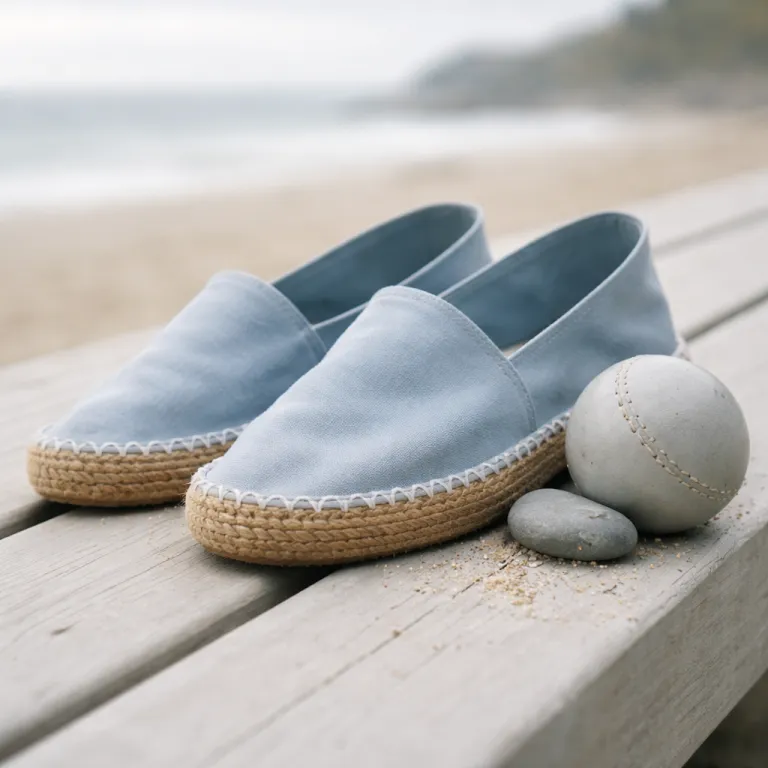
Espadrilles are another pillar of Basque traditions in Biarritz, and they tell a quieter story than the crack of pelote balls. Basque artisans in and around the city handcraft espadrilles using jute and canvas, maintaining techniques that have shaped local life for generations. While exact figures vary by season, local makers describe annual espadrille production in Biarritz and nearby towns in the tens of thousands of pairs, a scale that underlines how deeply this footwear is woven into Basque culture.
Workshops in Biarritz and nearby towns such as Saint-Jean-de-Luz and Mauléon-Licharre welcome visitors, often without the need for formal reservations. Here you can watch Basque artisans cut, stitch and finish espadrilles in the traditional Basque Country colours of red, green and white, while your children choose their own pairs for the beach. One shoemaker explains that “a good espadrille bends with the foot but keeps its rope smell,” and local artisan shops and markets remain the most reliable addresses.
The Basque beret, or txapela, completes the picture of regional identity in Biarritz, especially during festivals in Bayonne or along the Basque coast. Many luxury hotels will point you towards long-established hatters in the city or suggest day trips to villages in the Pays Basque hills where berets and espadrilles are still everyday wear. Between a morning surf lesson at Côte des Basques or Grande Plage and an afternoon espadrille workshop, families can also dip into retro surf culture through events such as the Hotdogger surf festival, usually held in early summer and known for its vintage boards and live music.
Language, fêtes and food rituals that shape family stays
The Basque language, Euskara, is one of the most distinctive aspects of local traditions in Biarritz, and it frames the way you experience the city. Street signs appear in both French and Basque, and you will hear Euskara in markets, on the beach and in hotel lobbies when staff greet local guests. For children this dual-language environment can be a playful introduction to the idea that one country can hold several cultures at once.
Festivals deepen that lesson, especially the Fêtes de Bayonne just up the coast, which is the largest Basque celebration in the region. During these days the nearby city of Bayonne fills with white and red outfits, txapela berets and music that spills from every square, and many Biarritz hotels arrange transfers so guests can experience the atmosphere without logistical stress. The event usually takes place in late July and can attract hundreds of thousands of visitors, and pelote matches open to the public are held regularly in local frontons where visitors stand shoulder to shoulder with residents.
Food rituals are equally central to Basque life in Biarritz, and they extend well beyond restaurant tables in the city centre. Families can plan day trips into the green hills of the Pays Basque to visit cheese farms, cider houses and vineyards producing crisp txakoli, often combined with stops in Saint-Jean-Pied-de-Port or along the route to San Sebastián. Back in France Biarritz offers everything from casual pintxos bars near the Port des Basques to refined hotel dining rooms, and a well-connected concierge can secure tastings that match your children’s ages and curiosity.
Choosing the right luxury hotel for a basque art de vivre
Choosing a luxury hotel is the most powerful way to weave Basque traditions in Biarritz into a family stay. Properties such as Hôtel du Palais, perched above Grande Plage, embody the Belle Époque chapter of France Biarritz history when Napoléon III and Empress Eugénie turned this stretch of the Basque coast into a royal retreat. Inside, period details and sea-facing suites sit alongside concierges who can arrange pelote lessons, espadrille shopping and private guides to the Basque Country hinterland.
Elsewhere in the city, Regina Biarritz Hotel & Spa brings an Art Deco mood to the clifftops above the Bay of Biscay, with views that sweep from the lighthouse to the Côte des Basques surfing breaks. Families who prefer a more residential feel can opt for a restored villa near Saint-Charles or Saint-Jean districts, where local life unfolds around markets, schools and frontons rather than only along the beach. In every case, the most rewarding addresses are those where staff speak about Basque culture with ease and can suggest spontaneous experiences rather than only standard European sightseeing.
For multi-stop itineraries that link Basque traditions in Biarritz with other French art de vivre capitals, some families pair a stay here with a few nights in Paris at an address such as the Four Seasons Hotel George V, described in this guide to refined stays in France. From there it is an easy high-speed train journey back to the Basque coast, where the sea air, the sound of pelote and the sight of espadrilles drying in the sun reset the rhythm. In a country known for its layered culture, Basque customs in Biarritz offer one of the most vivid and family-friendly ways to feel both French and distinctively regional at the same time.
FAQ about basque traditions in Biarritz
What is pelote basque and where can I watch it in Biarritz ?
Pelote basque is a traditional Basque sport involving a ball and a wall, played with the bare hand, a bat or a curved chistera. In Biarritz there are several pelote courts according to the local tourism office, with the main fronton located in the town centre near key hotel districts. Matches are held regularly, especially in summer, and many are free to watch, so families can easily include a game after time on the beach.
Where can I buy authentic espadrilles during my stay ?
Authentic espadrilles linked to Basque traditions in Biarritz are sold in artisan workshops and small shoe stores across the city centre. Local makers use jute and canvas and often display labels indicating production in the wider Pays Basque, including Mauléon-Licharre and Saint-Jean-de-Luz. For the best experience, visit in the morning when Basque artisans have more time to explain the craft and help children choose colours and sizes.
Are there pelote matches open to the public for families ?
Yes, there are pelote matches open to the public in Biarritz throughout the year, and many are suitable for families with children. The main fronton in the city centre and smaller courts in residential districts host both training sessions and tournaments organised by local sports clubs. Your hotel concierge can provide current schedules and suggest the most atmospheric venues for first-time visitors.
How visible is the basque language in everyday life in Biarritz ?
The Basque language is highly visible in Biarritz, even though French remains the primary language for administration and most services. Street signs, school names and cultural centres often appear in both Euskara and French, and you will hear Basque spoken in markets, at pelote courts and during festivals. Learning a few simple words adds depth to your understanding of Basque traditions in Biarritz and is appreciated by local residents.
Can I combine beach time, surfing and cultural activities in one trip ?
It is very easy to combine beach time, surfing and cultural experiences linked to Basque traditions in Biarritz within a single stay. Mornings can be spent on Grande Plage or Côte des Basques for surfing lessons, while afternoons are ideal for pelote matches, espadrille workshops or day trips to Bayonne and San Sebastián. Many luxury hotels specialise in building such mixed itineraries for premium families, ensuring that children experience both the sea and the deeper Basque culture.
Sources
Office de Tourisme de Biarritz; Office de Tourisme de Bayonne; Musée Basque et de l'Histoire de Bayonne.