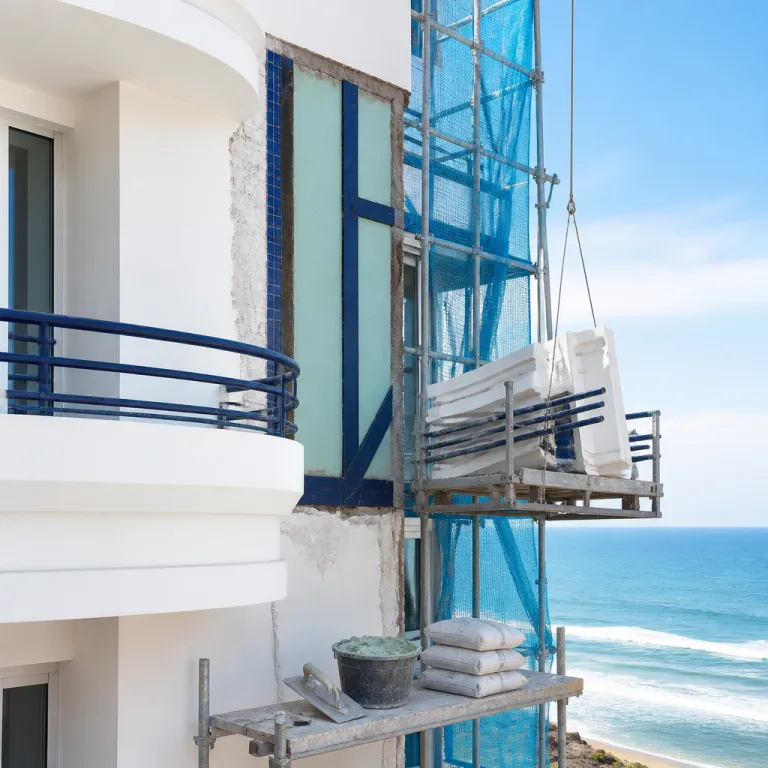
How Biarritz hotel architecture styles frame your stay
Every stay in Biarritz begins with a façade long before a room key. The most characterful hotel or villa you choose quietly teaches you about the basque coast, from imperial grandeur to experimental minimalism, and that lesson shapes how you feel the city. When you understand the main Biarritz hotel architecture styles, you start booking not just a bed but a narrative that runs from palais corridors to ocean promenades.
The city holds around fifty hotels, yet only a handful truly map the architectural evolution of this basque country resort. Those properties form a living timeline where each hotel was built for a specific social moment, then reworked as tastes shifted from belle époque ornament to clean-lined design. Walking between them, you move through layers of white stone, mint green shutters, white blue tilework and green gardens that still echo the ambitions of Napoléon III and modern hoteliers alike.
For business leisure travelers, this context matters because your lobby often becomes your temporary office and salon. A grand palais atrium or a small neo basque lounge will influence how you host a client, decompress after meetings or fall in love with the ocean light outside. Choosing among the different Biarritz hotel architecture styles is therefore a strategic decision, not just a visual preference, especially when you extend a work trip into a long weekend.
From imperial palais to Belle Époque villa: the birth of grandeur
The story starts at the Hôtel du Palais, the undisputed anchor of palais Biarritz mythology. Originally built as the Villa Eugénie for Empress Eugénie by Napoléon III, this hotel palais established the imperial template that still defines luxury on this stretch of the basque coast. Its architecture mixes Second Empire massing with belle époque detailing, so every cornice and balcony quietly signals power, ceremony and ocean facing privilege.
Here, the line between villa and palace blurs, because the former private Villa Eugénie became a public hotel without losing its aristocratic bones. Among all Biarritz hotel architecture styles, this palais remains the clearest expression of how a single building can turn a quiet basque city into an international resort. When you book here today, you are effectively sleeping inside the founding chapter of Biarritz as a luxury destination, with the Atlantic rolling just beyond the gardens.
Imperial architecture in Biarritz is not only about scale ; it is also about color and material. The Hôtel du Palais uses white stone, deep blue accents and green lawns to frame the ocean, creating a palette that later hotels and villas reinterpret in more experimental ways. This is where the white blue rhythm of façades along the basque coast begins, and where the idea of a palace hotel in Biarritz first took architectural form.
For readers interested in a deeper visual walk through this era and its successors, the dedicated guide to the Art Deco trail and the most striking hotel façades in Biarritz offers a focused route. That walk links the palais, key belle époque villas and later art deco landmarks into one coherent itinerary. It is an efficient way to see how the city’s hotel architecture styles evolved while you stay within a compact coastal corridor.
Neo-Basque signatures and the Regina axis
Move north from the palais and the mood shifts from imperial to neo basque, with Hotel Regina as the pivotal address. Designed by architect Henry Martinet in the early twentieth century, this hotel Regina was built as a grand white arc overlooking the ocean and the city, its half round forms and grooved cornices already hinting at the streamlined lines to come. Regina Biarritz stands where basque country vernacular meets early modernism, and that tension defines many contemporary Biarritz hotel architecture styles.
The building’s all white architecture is softened by mint green details, blue railings and a dramatic atrium that pulls daylight deep into the hotel. Guests cross this atrium as they move between meetings and leisure, so the space becomes a daily reminder that design can be both ceremonial and relaxed. The Gomez brothers’ neo basque influence, visible in nearby villas and façades, adds pitched roofs and timber rhythms that keep the hotel Regina anchored in local tradition rather than anonymous luxury.
Inside, the story continues with Dorothée Meilichzon and the Experimental Group, who reimagined the interiors as Regina Experimental without erasing Henry Martinet’s original intent. Her design language blends Japanese calm with basque warmth, using green and blue textiles, small sculptural lights and white walls to frame the ocean views. This is where the quote from the local architectural brief becomes tangible for guests : “What is Neo-Basque architecture? A style blending traditional Basque elements with modern design.”
Lighting plays a crucial role here, and names like Ingo Maurer or Anthony Dickens often surface when discussing how contemporary fixtures can animate historic volumes. While not every lamp is by Ingo Maurer or by Maurer Anthony, the spirit of experimental lighting design clearly informs the way the atrium and corridors glow after sunset. For business travelers hosting informal drinks, that layered lighting turns Regina Experimental into a flexible social stage rather than a static historic monument.
Art Deco, Streamline Moderne and contemporary experimental conversions
Beyond the palais and neo basque villas, Biarritz hotel architecture styles pivot into art deco and Streamline Moderne, especially along the main oceanfront axis. Several façades near the casino show classic art deco geometry, with white and blue horizontals that echo ocean liners and the rhythm of waves. These buildings helped shift the city image from aristocratic retreat to glamorous seaside playground, a change still visible in their bold silhouettes.
Le Talaia Hotel & Spa, cited locally as an example of Streamline Moderne, brings this language into the present with curved balconies, long horizontal lines and a façade by Claret Lebecq. Inside, Jean Philippe Nuel’s interiors use warm materials and strong color blocks, including mint green and deep blue, to reinterpret neo basque motifs in a more aerodynamic way. The result is a hotel where business guests can move from spa to meeting room through spaces that feel both nautical and rooted in basque country craft.
On the more experimental end, Le Garage shows how an industrial building can be built into the city’s luxury narrative without pastiche. This former car garage has been turned into a design focused hotel, with raw concrete, white walls and green planting framing the ocean beyond its large openings. Here, the architecture celebrates its small industrial origins while offering a different kind of luxury, one that many guests fall in love with precisely because it contrasts with the palais model.
Hôtel de la Plage, reworked by artistic director Olivier Granet with Gardera Pastre Studio, offers another contemporary chapter in Biarritz hotel architecture styles. Its twenty individually designed rooms use white and blue tones, natural wood and carefully placed art deco references to echo the nearby ocean and the wider basque coast. For travelers who prefer a more intimate scale than a grand palais, this small hotel shows how thoughtful design can deliver a high level of comfort without overwhelming formality.
How designers reference history rather than erase it
What unites the most interesting Biarritz hotel architecture styles is not a single look but a shared respect for what was built before. Architects and interior designers working here rarely attempt a total reset ; instead, they layer new materials and lighting over existing structures, allowing each palais or villa to keep its original voice. This approach preserves the city’s architectural DNA while still giving guests the comfort and technology expected from contemporary luxury hotels.
At Regina Experimental, Dorothée Meilichzon kept Henry Martinet’s grand atrium and white envelope, then introduced Japanese inspired lines, basque textiles and experimental lighting to soften the volume. The result is a hotel where you can read the history of Regina Biarritz in the cornices while enjoying a very current sense of space. Similar strategies appear at Hôtel du Palais, where restoration work respects the belle époque and Second Empire layers that date back to Villa Eugénie and the Napoléon III era.
Even in newer properties like Le Talaia or Le Garage, designers reference the basque coast context through color, material and proportion. Mint green shutters, white blue façades and small nods to neo basque rooflines keep these hotels visually connected to the city, even when their interiors feel more international. For business leisure travelers, this means you can choose between a palais, a villa style property or an industrial conversion without ever losing the sense that you are firmly in Biarritz, not in a generic ocean resort.
For a broader cultural lens on how architecture, sport and daily rituals intersect here, the feature on Basque traditions that shape life in Biarritz is a useful companion read. It explains why the same basque country identity that informs hotel façades also appears in pelota courts, espadrille workshops and local gastronomy. Understanding that continuum will help you read every cornice, color choice and courtyard as part of a wider cultural system rather than isolated design gestures.
A self-guided architectural walk for business leisure stays
For travelers extending a business trip, a self guided walk through key Biarritz hotel architecture styles offers both culture and light exercise. Start at the Hôtel du Palais, where you can study the transition from Villa Eugénie to full palais Biarritz icon, then follow the promenade north along the ocean. This first segment lets you compare imperial massing, belle époque ornament and the way white stone and blue detailing frame the Atlantic.
Continue toward Hotel Regina, watching how the skyline shifts from palace scale to a mix of villas and small hotels with neo basque features. As you approach Regina Biarritz, pause to read the façade : the half round forms, grooved cornices and white surfaces show how architect Henry Martinet anticipated more streamlined tastes. Step inside if possible to experience the atrium, where Dorothée Meilichzon’s Regina Experimental interiors and carefully considered lighting create a bridge between historic architecture and contemporary design culture.
From there, drop back toward the city center, passing art deco façades and newer properties like Le Garage that signal a more experimental spirit. If time allows, extend the loop to include Le Talaia and Hôtel de la Plage, noting how each hotel was built or reworked to balance ocean views, basque country references and modern comfort. By the end of this walk, you will have traced a clear line from palais to villa, from neo basque to Streamline Moderne, and you will be better equipped to choose the hotel architecture style that best matches your own way of working, relaxing and falling in love with Biarritz.
FAQ about Biarritz hotel architecture styles
What are the main architectural eras visible in Biarritz hotels ?
The key eras are imperial and Second Empire, belle époque, art deco and Streamline Moderne, plus a contemporary wave of design led renovations. Imperial and belle époque architecture dominate at Hôtel du Palais and former villas like Villa Eugénie, while art deco and Streamline Moderne appear in several oceanfront hotels and in Le Talaia Hotel & Spa. Contemporary projects such as Regina Experimental, Le Garage and Hôtel de la Plage layer modern interiors and amenities onto these historic structures without erasing their original character.
Which Biarritz hotels best represent neo Basque architecture ?
Neo basque architecture appears in many villas and smaller hotels across the city, but the area around Hotel Regina is particularly instructive. Regina Biarritz itself combines early modernist lines with basque country influences, including pitched roofs and timber details that echo traditional farmhouses. Newer properties like Le Talaia reinterpret neo basque motifs with smoother, more streamlined forms while keeping the familiar white façades and colored shutters.
How does Dorothée Meilichzon’s work at Regina Experimental change the guest experience ?
Dorothée Meilichzon’s redesign of Regina Experimental respects Henry Martinet’s original architecture while softening it with warm materials and Japanese basque inspired details. She uses color, texture and lighting to make the large atrium and public spaces feel more intimate, which suits business leisure travelers who need both privacy and sociable corners. The result is a hotel where guests can appreciate the historic structure yet enjoy a contemporary, design focused atmosphere.
What is Streamline Moderne and where can I see it in Biarritz ?
Streamline Moderne is a late branch of art deco characterized by curved corners, horizontal lines and a nautical, ocean liner feel. In Biarritz, Le Talaia Hotel & Spa is cited as a clear example, with its rounded balconies and elongated façades facing the sea. Walking between the casino area and newer hotels along the coast will reveal several other buildings that share this streamlined, maritime influenced language.
Are there eco-conscious elements in contemporary Biarritz hotel designs ?
Recent renovations and new hotels in Biarritz increasingly integrate sustainable materials, improved insulation and energy efficient systems. Projects like Le Garage and Hôtel de la Plage often retain existing structures rather than building from scratch, which reduces the environmental impact while preserving the city’s architectural fabric. Many properties also incorporate green roofs, careful shading and natural ventilation strategies that respond intelligently to the basque coast climate.